In 2026, digital transformation is not just a trend, it is the foundation of every thriving business. Falling behind in web-based management can cost you valuable customers, with 88% unwilling to return after a poor website experience.
This management web guide is your roadmap to success. Discover the latest trends, proven strategies, and powerful tools you need to stay ahead in a competitive landscape.
Unlock actionable steps, real-world examples, and expert insights designed to boost efficiency, security, and customer engagement. Start your journey now and future-proof your digital presence for 2026 and beyond.
The Evolving Landscape of Web Management in 2026
In 2026, the management web landscape is transforming at an unprecedented pace. Businesses face a digital environment shaped by rapid technological innovation and shifting consumer expectations. Staying ahead means embracing new trends, navigating emerging challenges, and understanding the direct impact of web management on business growth.

Key Trends Shaping Web Management
The management web is now defined by a reliance on cloud-based platforms and powerful SaaS tools. Companies use these solutions to streamline operations and reduce IT overhead. AI-driven automation is another game-changer, managing everything from content publishing to analytics and customer service. According to recent Web Content Management Trends 2026, AI-powered content management and seamless collaboration between developers and marketers are now essential for staying competitive.
Mobile-first and responsive web design are no longer optional. With more users accessing sites from mobile devices, businesses must prioritize fast, adaptive experiences. Data privacy and security remain at the forefront, as regulations like GDPR and CCPA shape management web practices. Omnichannel integration ensures consistency across web, mobile, and offline touchpoints.
Real-time analytics empower organizations to make data-driven decisions quickly. Consider this: 41 percent of users abandon slow-loading websites, highlighting the critical need for speed and performance. The management web is all about delivering value instantly, across every device and channel.
New Challenges and Opportunities
The rapid pace of change introduces unique challenges for management web teams. Content must remain fresh and relevant to maintain brand reputation. Yet, personalizing experiences while respecting user privacy and consent is a delicate balance. Adapting to frequent updates in search engine algorithms and evolving SEO best practices is now a core responsibility.
Businesses also face new opportunities. AI chatbots, for example, offer faster customer support and drive higher satisfaction rates—some organizations report up to a 30 percent increase. Automation tools help teams manage large volumes of content with less manual effort, freeing up resources for strategic work.
Key challenges for management web include:
- Keeping content up to date
- Protecting user data and securing consent
- Responding to SEO changes swiftly
Opportunities abound for those who innovate. By leveraging AI and automation, companies can boost efficiency and deliver personalized experiences without sacrificing privacy.
The Role of Web Management in Business Growth
A strong management web strategy directly affects lead generation, sales conversions, and customer loyalty. Websites are often the first touchpoint for potential clients, making user experience and performance critical. Aligning web management with broader digital transformation goals ensures every online interaction supports business objectives.
Effective management web practices set businesses apart from competitors. In 2026, organizations that invest in continuous improvement, analytics-driven decisions, and agile web operations gain a clear advantage. For example, companies updating content regularly see improved search rankings and higher engagement.
To sum up, management web is not just about technology—it is a competitive differentiator. Businesses that prioritize speed, security, and user-centric design position themselves for long-term success in a fast-evolving digital world.
Building a Future-Ready Web Management Strategy
Creating a future-ready management web strategy is essential for organizations aiming to thrive in 2026’s digital-first marketplace. By following a proven roadmap, you can optimize efficiency, security, and growth potential. Let’s break down the steps you need to build a resilient approach that supports long-term success.
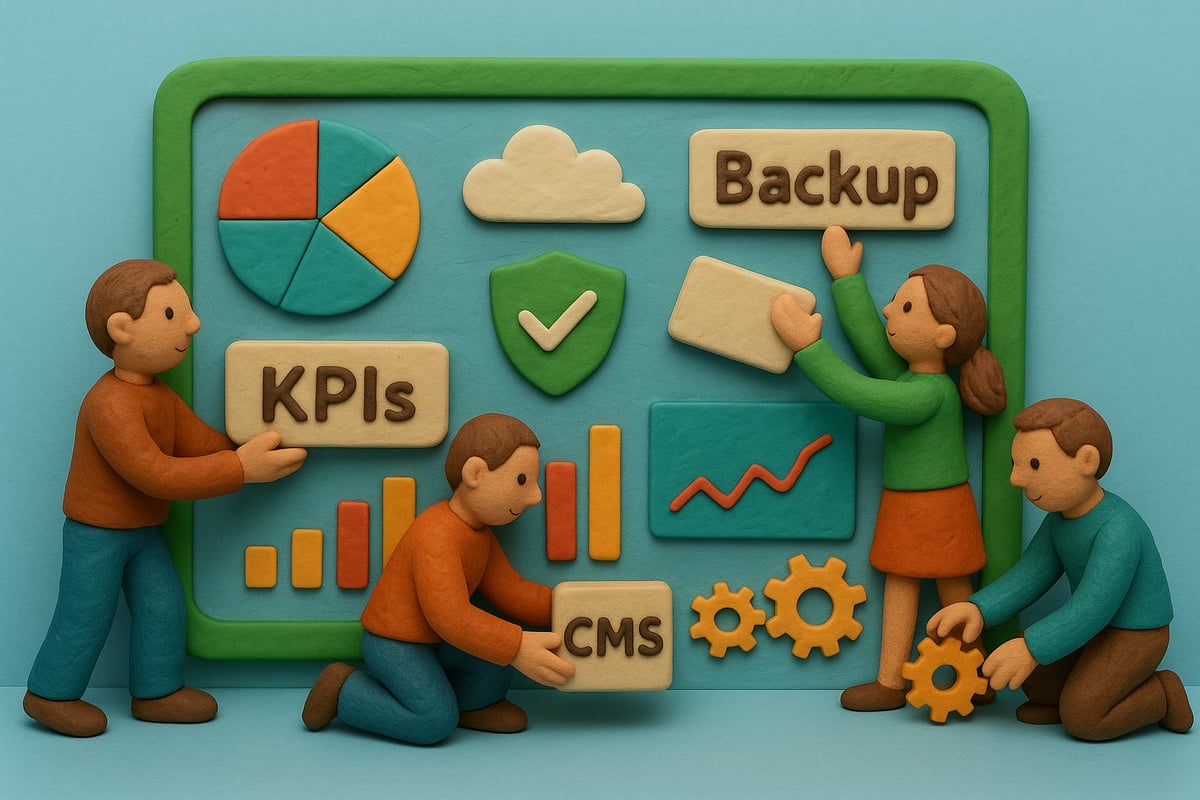
Step 1: Define Clear Objectives and KPIs
Start your management web journey by setting precise goals. What do you want your website to achieve? Common objectives include lead generation, online sales, and brand awareness. Once you clarify your vision, select KPIs that measure your progress, such as:
- Bounce rate
- Conversion rate
- Site uptime
- Page speed
For every $1 invested in UX, businesses often see $100 in ROI. Establishing KPIs ensures your management web efforts are always aligned with growth. For more on effective strategies, explore Web management strategies and SEO.
Step 2: Select the Right Content Management Platform
Choosing the right content management platform is a game changer for management web. Evaluate options based on flexibility, scalability, and how user-friendly they are. Consider whether you need an open-source or proprietary system, and what integration capabilities matter most.
A reliable CMS should offer seamless analytics, robust uptime, and easy content updates. For instance, many platforms like Wix guarantee 99.99% uptime and include powerful analytics tools. Your management web platform should empower your team, not hold them back.
Step 3: Implement Robust Security Protocols
Security is non-negotiable for management web. Protect your digital assets with secure hosting, SSL certificates, and regular vulnerability scans. Adhere to compliance standards such as GDPR and CCPA to safeguard user data and maintain trust.
A few effective protocols include:
- Multi-layer authentication
- Automated security updates
- Real-time threat monitoring
Remember, 38% of visitors will leave a site they find unattractive or insecure. Make security a pillar of your management web approach.
Step 4: Establish a Comprehensive Backup and Recovery Plan
A strong backup and recovery plan is vital for management web continuity. Schedule automated backups that align with how often your site changes. Store backups offsite and routinely test your recovery process to ensure minimal downtime in a crisis.
Key steps for a robust plan:
- Automate daily, weekly, or monthly backups
- Store backups in secure, remote locations
- Regularly test recovery procedures
Consistent backups dramatically lower your business risk from cyber incidents, making your management web strategy more resilient.
Step 5: Ensure Continuous Monitoring and Maintenance
Ongoing monitoring is at the heart of effective management web. Use analytics tools to track site performance, user engagement, and conversion rates. Schedule regular updates for plugins, themes, and integrations to stay ahead of vulnerabilities.
Consider these best practices:
- Monitor competitor sites for new trends
- Set up alerts for uptime and speed
- Review analytics dashboards weekly
By staying proactive, your management web remains agile and competitive in a rapidly changing landscape.
Step 6: Foster a Culture of Continuous Improvement
The most successful organizations treat management web as an evolving process. Gather feedback from users and stakeholders to identify pain points and opportunities. Adopt agile processes for making iterative enhancements, ensuring your site always reflects current best practices.
Ways to foster improvement:
- Collect ongoing user feedback
- Run regular A/B testing
- Update content frequently for SEO gains
Businesses that refresh content regularly see higher search rankings and engagement. Make continuous improvement the heartbeat of your management web strategy.
Essential Tools and Technologies for Web Management
Success in management web requires the right mix of tools and technologies. As digital transformation accelerates, businesses must select solutions that streamline processes, boost security, and empower growth. Let’s break down the essentials every organization should have in their toolkit for 2026.

Content Management Systems (CMS)
The backbone of any management web strategy is a reliable CMS. Leading options like WordPress, Wix, and custom-built solutions dominate the market, each offering unique strengths. When choosing a CMS, prioritize:
- Ease of use for content teams
- SEO tools integrated directly in the platform
- Scalability to handle traffic spikes and growth
A CMS should also support responsive design and accessibility, as these factors directly impact engagement and ROI. For instance, data from Web Design Statistics 2026 reveals that sites with accessible, modern layouts see higher retention and revenue. With the right CMS, your management web approach is set up for agility and success.
Analytics and Performance Monitoring
No management web effort is complete without robust analytics. Tools like Google Analytics and Semrush provide real-time insights into user behavior, traffic sources, and conversion rates. Harnessing these insights allows you to:
- Identify top-performing content
- Pinpoint user drop-off points
- Optimize marketing campaigns
Performance monitoring should also include uptime checks and speed tests. Fast, reliable sites build trust and keep users engaged. Integrating analytics into your management web toolkit ensures you make data-driven decisions every step of the way.
Security and Compliance Solutions
Security is non-negotiable for management web in 2026. Invest in solutions that offer:
- Malware scanning and automated vulnerability checks
- SSL certificates and secure hosting
- Firewall and DDoS protection
Compliance tools are equally critical, especially with regulations like GDPR and CCPA shaping digital practices. Choose platforms that help automate consent management and data requests. With these measures, your management web presence remains trustworthy and resilient.
Automation and AI-Driven Enhancements
Automation is transforming how businesses approach management web. AI-powered chatbots handle customer inquiries 24/7, while content generation tools accelerate publishing workflows. Key benefits include:
- Reduced manual workload for teams
- Faster response times for customers
- Improved consistency in content and service
Look for AI-driven solutions that integrate seamlessly with your existing platforms. By embedding automation into your management web stack, you free up resources and boost efficiency.
Integration and API Management
Modern management web strategies demand seamless integration across platforms. API management tools connect your CMS with CRM, ERP, and marketing systems, enabling:
- Real-time data synchronization
- Automated workflows between departments
- Custom feature development for unique business needs
API-driven integration is the glue that holds diverse digital systems together. Investing in this capability ensures your management web strategy scales with your business and adapts quickly to new opportunities.
Step-by-Step Guide: Optimizing Your Web Management Process
Optimizing your management web process is crucial for staying ahead in 2026. Each step below is designed to help you build a secure, scalable, and high-performing online presence. Let’s break down the actions you need to take for lasting results.

Step 1: Platform Selection and Setup
Choosing the right platform is foundational for your management web strategy. Begin by assessing your business needs, projected growth, and technical requirements. Look for platforms offering flexibility, robust integrations, and scalability.
Modern businesses increasingly turn to API-first and headless architectures, which allow for seamless integration and future-proofing. For a deeper dive into these trends, check out Headless Commerce Trends 2025 to understand how these platforms enable rapid adaptation and omnichannel experiences.
When selecting a CMS, prioritize:
- Easy user interface
- SEO capabilities
- Responsive design
- Uptime reliability
A thoughtful platform choice empowers your management web process, setting the stage for every other step.
Step 2: Website Backup and Data Protection
A solid backup strategy is non-negotiable for effective management web. Set up automated backups that fit your site’s update frequency—daily for dynamic sites, weekly for moderate updates, or monthly for static content.
Consider this sample backup schedule:
| Update Frequency | Backup Frequency | Storage Location |
|---|---|---|
| Daily | Daily | Cloud & Local |
| Weekly | Weekly | Offsite/Cloud |
| Monthly | Monthly | Secure External Disk |
Use managed hosting or backup plugins to streamline the process. Storing backups offsite adds an extra layer of protection. Regular testing of your recovery process ensures minimal downtime if an incident occurs. Reliable backups are a cornerstone of any resilient management web setup.
Step 3: Securing Your Digital Assets
Security is a top priority in management web. Start by installing SSL certificates to encrypt data and build user trust. Use strong passwords and enforce access controls to limit entry points for potential threats.
Schedule regular security audits and keep all software up to date. Implement firewalls and malware scanning tools to guard against attacks. Remember, 60% of hacked businesses never recover, making security investments essential for survival.
A secure management web environment protects your brand, data, and customer relationships.
Step 4: Ongoing Monitoring and Performance Checks
Continuous monitoring is vital for a successful management web process. Use tools to track uptime, test site speed, and identify errors. Set up real-time alerts for outages or unusual activity.
Review analytics regularly to spot trends in traffic, engagement, and conversions. Compare your metrics with industry benchmarks to identify areas for improvement.
Proactive monitoring keeps your management web running smoothly and ensures you spot issues before they impact users.
Step 5: Design and Content Refresh
Refreshing your site design and content is key for keeping your management web strategy effective. Update your website’s look to match current trends and reinforce your brand identity.
Regularly add new content, optimize existing pages for SEO, and remove outdated information. Engaging visuals, clear calls-to-action, and accessible layouts help boost user satisfaction.
A dynamic management web approach attracts and retains visitors, ensuring your site remains relevant and competitive.
Step 6: Marketing and User Engagement
Your management web success depends on strong marketing and user engagement. Implement SEO best practices, such as optimizing metadata, improving site speed, and targeting relevant keywords.
Run targeted email campaigns and referral programs to grow your audience. Use social media and paid ads for additional reach. Personalization and interactive content increase loyalty and conversion rates.
A proactive management web marketing plan turns visitors into lifelong customers.
Step 7: Review, Iterate, and Scale
Continuous improvement is at the heart of management web excellence. Collect user feedback, conduct A/B testing, and analyze results to refine your strategies.
Scale successful initiatives and introduce new features as your business grows. Stay agile by regularly reviewing your process and adapting to new trends.
By making iteration a habit, your management web strategy will always align with your business goals and market demands.
Integrating Advanced Web Management Solutions for Scalability
In 2026, businesses need advanced management web solutions to scale quickly and securely. As customer expectations and operational complexity rise, integrating robust systems ensures your online presence supports growth and innovation. Future-ready organizations are rethinking how management web connects with every layer of their business.
Leveraging Custom ERP and CRM Systems
Integrating your management web with custom ERP and CRM systems creates a solid foundation for digital transformation. These solutions unify business data, automate workflows, and provide clearer insights into customer behavior. The result is streamlined operations, less manual effort, and improved customer experiences.
Consider this comparison:
| Feature | Standalone Website | Integrated ERP/CRM |
|---|---|---|
| Data Silos | Common | Eliminated |
| Manual Processes | Frequent | Automated |
| Customer View | Fragmented | Unified |
| Scalability | Limited | High |
Companies integrating management web with backend systems report higher efficiency and agility, making them better positioned for growth.
Lolli Group: Custom ERP & CRM Solutions for Web Management
For businesses seeking tailored management web solutions, Custom ERP & CRM for web from Lolli Group stands out. Lolli Group specializes in designing custom ERP and CRM platforms using Claris FileMaker, enriched with API and AI integrations.
Key benefits include:
- Advanced automation for repetitive tasks
- Seamless connection with web platforms
- Industry-specific modules for unique needs
- Flexible and scalable architecture
With offices in Milan, Rome, and Rieti, Lolli Group helps organizations across Italy and beyond achieve digital transformation and future-proof their management web approach.
API Integrations and Workflow Automation
API-driven integrations are essential for modern management web scalability. By connecting your site with ERP, CRM, and marketing platforms, you enable seamless data flow and real-time process automation. This reduces manual errors, increases productivity, and ensures a consistent customer experience across all channels.
Automated workflow examples include:
- Syncing customer data between website forms and CRM
- Triggering order fulfillment from online purchases
- Updating marketing lists based on user actions
Management web strategies that embrace automation stay competitive and responsive to market shifts.
AI and Predictive Analytics
Artificial intelligence is reshaping management web by enabling smarter decision-making and deeper customer insights. AI tools can analyze vast data sets, extract trends, and predict user behavior, allowing businesses to personalize experiences and optimize marketing ROI.
For instance, using predictive analytics, companies can identify which content drives conversions or forecast peak traffic times. Emerging concepts like the Agentic Web: AI Agents in Web Development illustrate how autonomous AI agents are beginning to collaborate across digital services, further enhancing management web capabilities.
Staying ahead means continuously exploring how AI can unlock new value within your management web ecosystem.
Future-Proofing Your Web Management for Long-Term Success
In 2026, future-proofing your management web strategy is the smartest move you can make. The digital landscape shifts quickly, and only those who adapt thrive. This section uncovers the pillars of long-term success for your management web approach, covering technology, user experience, compliance, scalability, learning, and competitive benchmarking.
Adapting to Emerging Technologies
Staying ahead in management web requires embracing innovation. AI, machine learning, and IoT integrations are reshaping how websites operate, offering smarter automation and personalized experiences. Businesses that quickly adopt these advancements set themselves apart and boost retention.
Learning from Cloud and technology trends can help you anticipate shifts in web protocols and standards before competitors. Early adopters of mobile-first design saw user engagement soar, proving that agility in management web pays off. Make it a priority to continuously scan the horizon for breakthroughs and be ready to pivot your strategy as new technologies emerge.
Emphasizing User Experience (UX) and Accessibility
Your website’s success depends on the quality of its user journey. Prioritizing UX and accessibility is non-negotiable for management web in 2026. Design inclusively, following WCAG guidelines to ensure everyone can interact with your site.
A strong UX not only increases engagement but also leads to higher conversions. Did you know every $1 invested in UX yields $100 in return? That’s a compelling case for making accessibility central to your management web approach. By focusing on smooth navigation, responsive layouts, and clear calls-to-action, you create a digital environment where visitors feel valued and understood.
Ensuring Data Privacy and Ethical Practices
Trust is the foundation of any management web strategy. With growing regulations and consumer awareness, it’s vital to implement transparent privacy policies and user consent mechanisms. Use tools and frameworks from Data management and compliance to stay compliant with GDPR, CCPA, and industry standards.
Ethical data handling builds long-term loyalty. Customers are more likely to engage with brands that respect their privacy. Integrate clear consent banners, secure data storage, and regular audits to protect both users and your reputation. In management web, safeguarding privacy is not just about compliance—it’s a competitive advantage.
Scaling with Business Growth
A future-ready management web strategy scales as your business evolves. Choose platforms that allow modular expansion, so you can handle growing traffic, more content, and new features without disruption.
Companies with scalable infrastructure respond faster to market changes, maintaining performance and uptime even during spikes. Plan for growth by selecting CMS and hosting solutions built for flexibility. As your management web needs expand, having the right foundation ensures you never miss an opportunity to serve your audience or capture new business.
Continuous Learning and Skill Development
Digital transformation never stands still, and neither should your team. Investing in ongoing training is essential for management web excellence. Keep your staff updated on best practices, emerging tools, and regulatory changes.
Encourage a culture of curiosity and adaptability. Companies that prioritize continuous learning innovate faster and outperform their peers. Consider regular workshops, webinars, or certification programs to build expertise. As your management web environment evolves, so will your team’s ability to deliver results and maintain a competitive edge.
Monitoring Industry Benchmarks and Competitors
Success in management web is measured against the best. Regularly benchmark your site’s performance, features, and user experience against industry leaders and direct competitors.
Use analytics to identify gaps and new opportunities for improvement. Businesses that monitor competitors closely are quicker to spot trends, respond to threats, and leverage market shifts. Make competitor analysis a routine part of your management web process, so you’re always a step ahead and primed for long-term growth.