As 2026 draws closer, the urgency for digital transformation is at an all-time high. Businesses everywhere are feeling the pressure to adapt, but many leaders find themselves confused when faced with the erp crm decision. Should you focus on streamlining your back office or supercharging your customer engagement?
This guide will unravel the critical differences, unique benefits, and must-know decision factors between erp crm systems. You'll discover how each solution can drive efficiency, boost ROI, and prepare your organization for the future. Use this article as your roadmap to making a smart, future-proof technology choice.
Understanding ERP and CRM: Definitions and Core Functions
As digital transformation accelerates, understanding erp crm systems becomes mission-critical for any business seeking a competitive edge in 2026. These foundational technologies streamline everything from back-office operations to front-line customer interactions, but their roles and benefits are distinct.
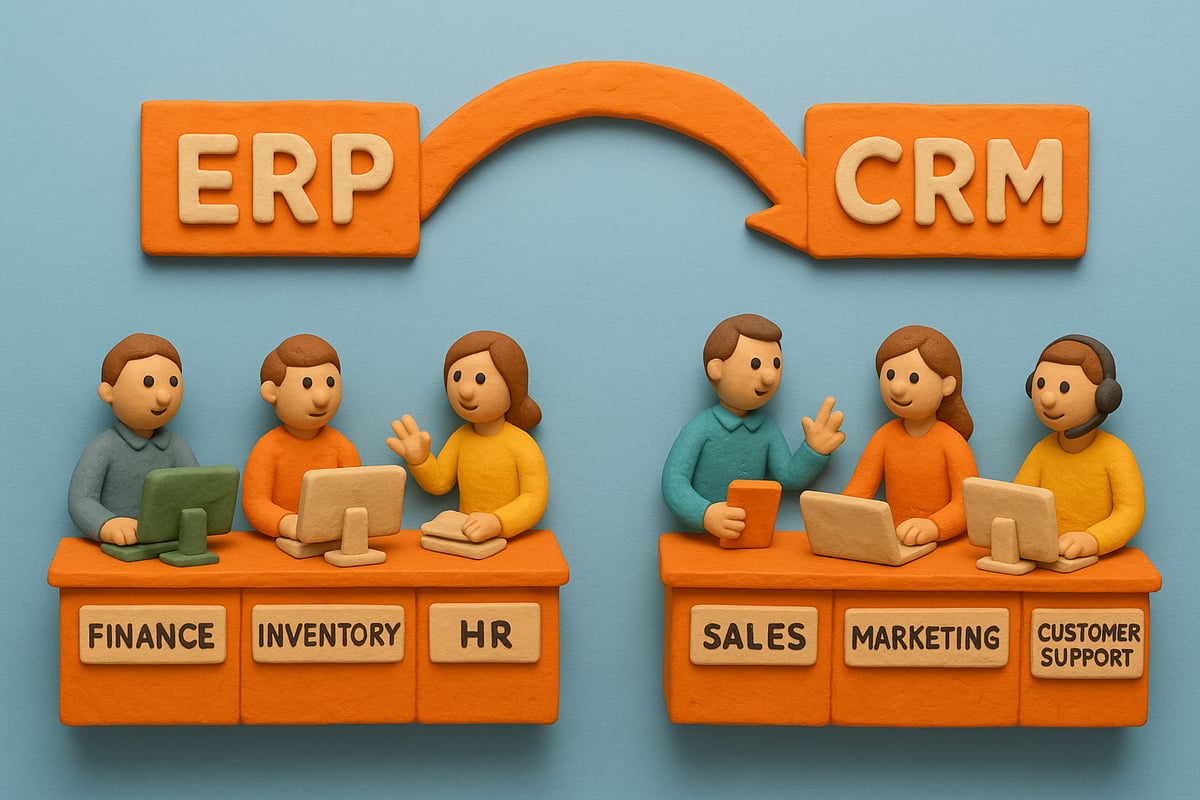
What is ERP?
Enterprise Resource Planning, or ERP, is the backbone of back-office efficiency. An erp crm platform consolidates essential business functions into a unified system, eliminating data silos and manual processes.
Core ERP Functions:
- Finance and accounting
- Supply chain management
- Human resources
- Procurement
- Manufacturing
- Project management
Consider a manufacturing company using erp crm to automate inventory tracking, streamline procurement, and close financial books faster. According to leading providers like Oracle and SAP, ERP systems can cut operational costs significantly by unifying processes in one platform.
A key advantage of erp crm is serving as a single source of truth for business operations. Data flows seamlessly between departments, breaking down barriers and promoting collaboration. This centralization reduces duplication, increases data accuracy, and speeds up decision-making.
Modern erp crm solutions now integrate AI and cloud technology, providing real-time analytics and predictive insights. Businesses can monitor performance, forecast demand, and respond instantly to market changes thanks to these innovations.
What is CRM?
Customer Relationship Management, or CRM, is the driver of front-office excellence. While erp crm systems handle internal processes, CRM focuses on managing and enhancing interactions with customers across all touchpoints.
Core CRM Functions:
- Sales pipeline and lead management
- Marketing automation
- Customer service and support
- Customer data management
Retailers often deploy erp crm solutions with robust CRM modules to personalize marketing campaigns and track customer journeys from first contact to repeat purchase. Industry research shows that CRM systems can boost sales productivity and customer retention, directly impacting revenue growth.
The primary strength of erp crm in the CRM context is centralizing every customer interaction. Sales teams, marketers, and support staff all access a holistic view of each client, enabling consistent, personalized service.
CRM has evolved from simple sales tracking to comprehensive customer engagement. Today’s AI-powered CRM tools predict buying behavior, recommend next steps, and automate routine tasks, empowering teams to focus on building relationships.
In summary, both erp crm systems play vital but separate roles in business success. Understanding their definitions and core functions is the first step toward a smarter digital transformation.
ERP vs CRM: Key Differences and Overlaps
Choosing the right erp crm solution is pivotal for any organization aiming to optimize business performance by 2026. While both systems promise to streamline operations, their core purposes and areas of impact differ significantly. Understanding these distinctions helps leaders make confident, future-proof technology investments.
Front Office vs Back Office: The Foundational Distinction
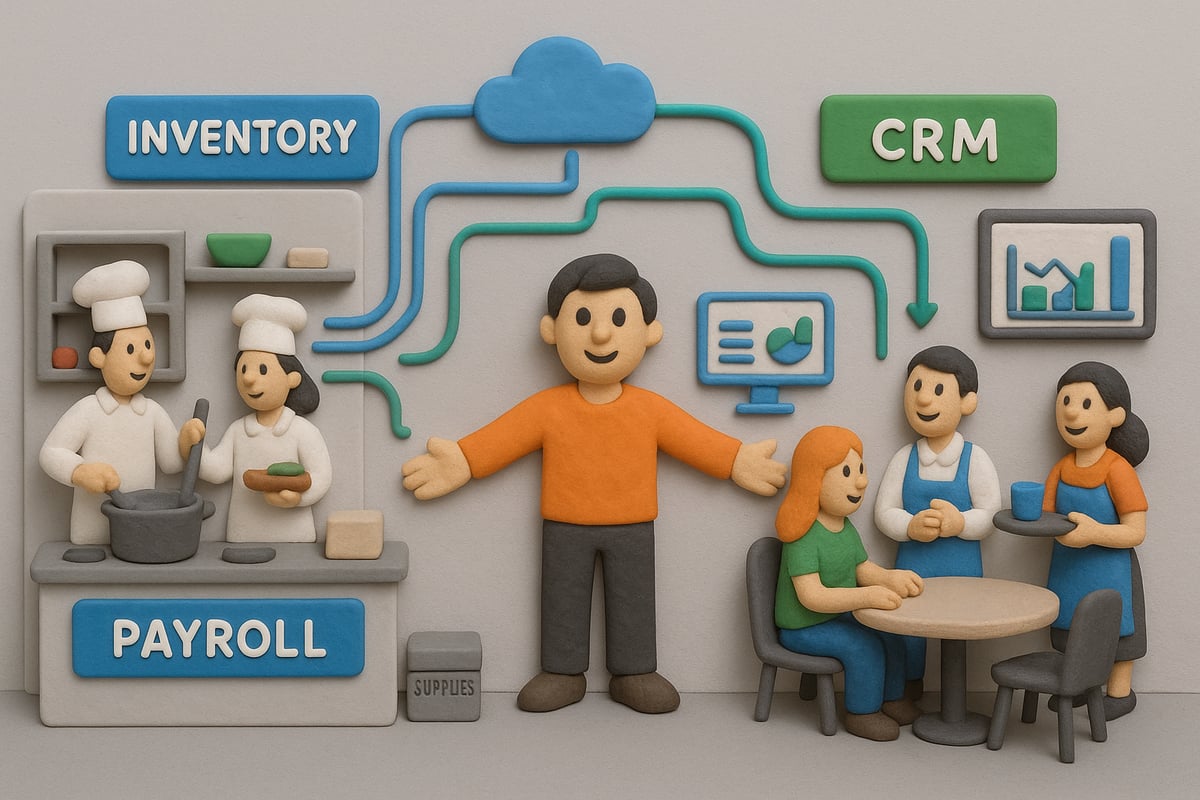
At its core, the erp crm debate centers on what each system manages. ERP, or Enterprise Resource Planning, focuses on the internal workings of a business. Think of ERP as the kitchen in a restaurant, where everything from inventory to payroll and procurement is coordinated behind the scenes. On the other hand, CRM, or Customer Relationship Management, is the dining room, where staff interact directly with customers, track orders, and ensure a memorable experience.
Statistics show that 60% of businesses integrate both erp crm systems to gain complete visibility from operations to customer engagement. While some ERP platforms offer basic CRM features, and vice versa, each excels in its own domain. CRM systems rarely offer the depth of financial or resource management found in ERP.
The value of integrating erp crm platforms cannot be overstated. When data flows seamlessly between front and back office, companies unlock unified business intelligence and real-time insights. For a deeper look at how integration is shaping the future, see ERP and CRM Integration Trends for 2025. Ultimately, ERP and CRM deliver unique benefits, and neither can fully replace the other.
What Do They Have in Common?
Despite their different focuses, erp crm systems share important traits. Both centralize vital business data, automate repetitive tasks, and empower teams with actionable insights. Whether deployed on-premises or in the cloud, these platforms offer the flexibility modern organizations demand.
Here’s what unites erp crm solutions:
- Centralized data repositories for improved accuracy
- Automated workflows to boost productivity
- Powerful reporting and analytics tools
- Scalable deployment via cloud or SaaS
- Shared goal of driving efficiency and growth
For example, a unified erp crm platform can eliminate data silos, reduce duplication, and speed up decision-making. Integrated systems are proven to reduce errors and streamline processes, benefiting both internal teams and customers alike.
It is important to recognize that while erp crm platforms share these similarities, their true value emerges when they work in tandem, supporting holistic digital transformation.
Features Comparison Table
When evaluating erp crm options, a side-by-side comparison of core modules clarifies which solution fits your business needs. Here’s a snapshot:
| Feature/Module | ERP | CRM |
|---|---|---|
| Finance Management | Yes | No |
| Inventory Control | Yes | No |
| HR & Payroll | Yes | No |
| Sales Pipeline | No | Yes |
| Marketing Automation | No | Yes |
| Customer Service | Basic/Optional | Advanced |
| Reporting/Analytics | Yes | Yes |
For instance, ERP systems expertly manage payroll and supply chain, while CRM shines in handling sales pipelines and customer journeys. Both erp crm solutions offer reporting tools, but the modules they prioritize differ.
Choosing the right erp crm setup hinges on your organization’s priorities. By understanding each system’s strengths and overlaps, you can select a solution that scales with your growth plans and delivers measurable ROI.
Benefits and Challenges: ERP and CRM in Practice
Navigating the world of erp crm can feel overwhelming, especially as digital transformation accelerates. Understanding the real-world advantages and potential pitfalls of each system is crucial. Here is a practical look at how erp crm solutions deliver value—and where you may encounter roadblocks.
ERP Benefits and Drawbacks
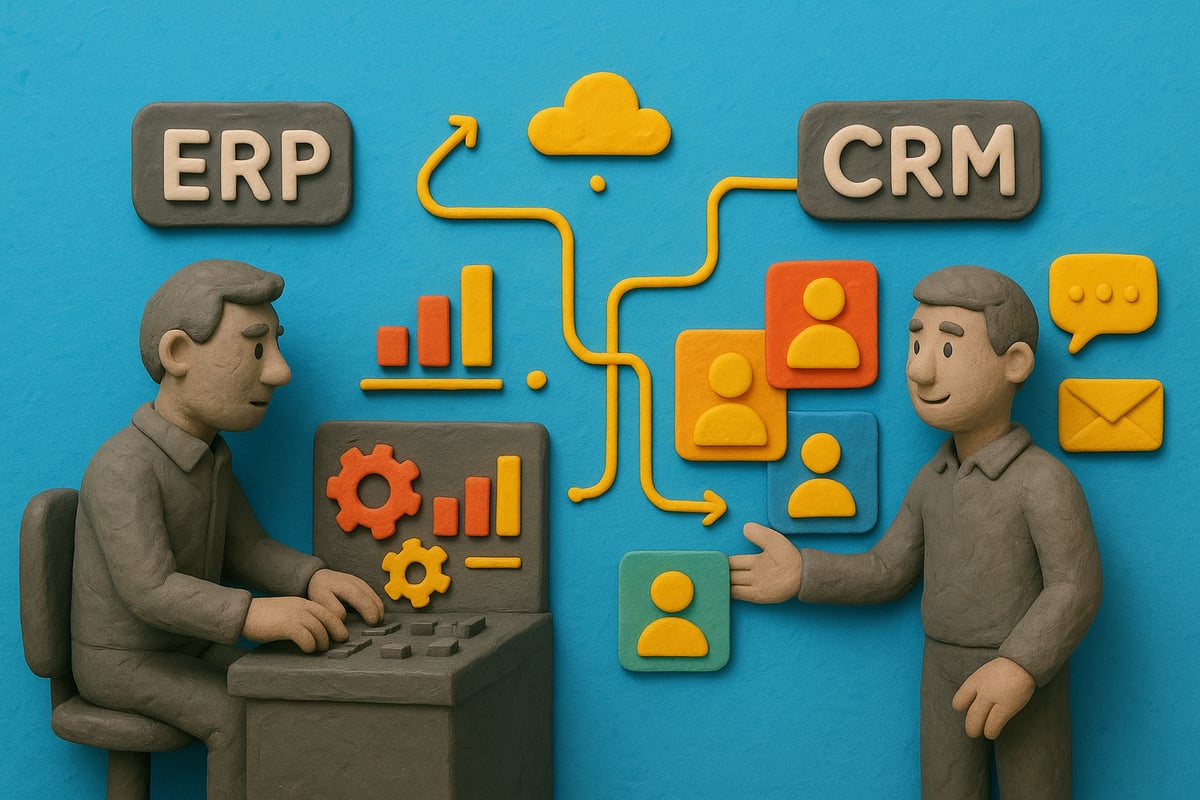
ERP systems act as the operational backbone, bringing together finance, supply chain, HR, procurement, manufacturing, and project management. By consolidating business functions, erp crm platforms reduce silos and create a single source of truth. A manufacturing company, for example, can automate inventory management and speed up financial closes—often reducing the time to close books from a week to just days.
Key ERP benefits include:
- Streamlined operations and collaboration
- Cost savings through automation and efficiency
- Improved compliance and regulatory reporting
- Real-time analytics using AI and cloud
According to Benefits of ERP for businesses, organizations adopting ERP report significant reductions in operational costs and process errors.
Yet, ERP implementation comes with challenges:
- Higher upfront costs and complexity
- Longer deployment times
- Need for extensive customization and change management
Blue Shield of California, for instance, saved $500,000 by migrating to cloud ERP, but the journey required careful planning and resources. ERP is best suited for organizations with complex, multi-departmental structures seeking end-to-end visibility in erp crm.
CRM Benefits and Drawbacks
CRM systems excel at managing sales, marketing, customer service, and support. For retailers, erp crm tools enable personalized marketing campaigns and detailed customer journey tracking, directly impacting sales productivity and retention.
Key CRM benefits:
- Enhanced customer experiences and faster response times
- Increased sales and improved lead conversion
- Actionable insights through centralized customer data
- Predictive analytics powered by AI
Nucleus Research found that integrating CRM can drive 20-30% business growth. Companies leveraging CRM often see improved customer retention and higher team productivity.
However, CRM solutions have their limitations:
- Focused mainly on front-office functions
- May require integration with ERP for full operational value
- Potential data silos if not unified with other systems
Despite these drawbacks, CRM is ideal for sales-driven and customer-centric businesses. When combined with erp crm strategies, organizations achieve a holistic view of both operations and customer relationships.
Cost and Implementation Considerations
Cost and implementation speed often tip the scale in the erp crm decision. Generally, CRM solutions are less expensive and faster to deploy, making them a popular choice for small and midsize businesses. Cloud-based CRM offers a low-barrier entry, with minimal IT overhead.
ERP, on the other hand, demands a higher upfront investment and deeper customization. The total cost of ownership for erp crm systems includes not just software, but also integration, training, and ongoing maintenance.
| Feature | ERP | CRM |
|---|---|---|
| Main Focus | Back-office operations | Front-office/customer |
| Upfront Cost | Higher | Lower |
| Implementation Time | Longer | Shorter |
| Customization | Extensive | Moderate |
Ultimately, the ROI of erp crm solutions depends on how well they align with your business’s complexity and goals. A careful evaluation of direct and indirect benefits is essential to making a choice that will stand the test of time.
Deciding Between ERP, CRM, or Both: Key Factors for 2026
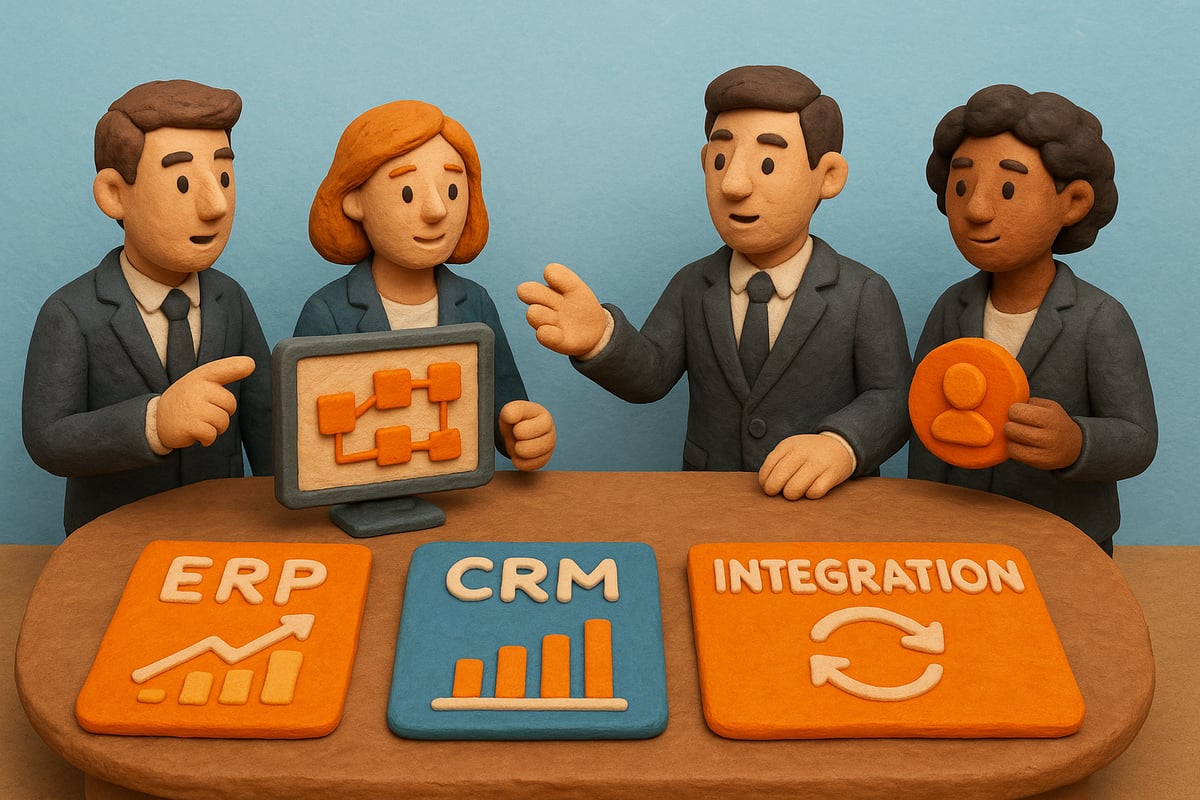
The decision to implement erp crm solutions is a pivotal one for organizations aiming to stay competitive in 2026. Choosing the right system—or combination—can unlock operational efficiency, boost customer engagement, and future-proof your business. To make an informed choice, evaluate your company’s readiness, weigh costs and benefits, and consider whether integration delivers the most value.
Business Readiness Assessment
Start your erp crm journey by assessing your business’s current challenges. Are internal processes slowing you down, or is customer engagement falling short? Identify where inefficiencies or data silos exist.
For example, manufacturing firms often need robust erp crm systems to streamline supply chain and inventory, while service businesses may prioritize CRM for managing client relationships. According to SAP, 80 percent of growing companies now rank data integration as a top priority, signaling the importance of seamless information flow.
When evaluating readiness, consider:
- Industry-specific regulations and workflows
- Scalability to support growth
- Flexibility for evolving business models
- Integration needs with existing tools
Digital transformation is not just about technology—it’s about aligning erp crm investments with your strategic vision. The right system supports both operational excellence and customer-centricity. Don’t overlook future growth plans, as today’s needs may double by 2026.
Cost-Benefit Analysis and ROI
A thorough cost-benefit analysis reveals the true value of erp crm options. Calculate both direct gains, like productivity and revenue, and indirect benefits, such as improved decision-making.
Here’s a quick comparison:
| Solution | Direct Benefit | Indirect Benefit | Typical ROI |
|---|---|---|---|
| ERP | Cost savings, efficiency | Faster closes, accuracy | High for operations |
| CRM | Sales growth, retention | Better experiences | High for front-office |
| Integrated | Unified insights | Reduced errors | Highest overall |
For example, CRM platforms can boost lead conversion, while ERP reduces supply chain delays. Cloud-based erp crm solutions lower upfront costs, making them attractive for SMBs and allowing phased adoption.
Remember to account for the total cost of ownership: licensing, customization, integration, and training. Integrated erp crm platforms typically deliver higher ROI than siloed systems, thanks to unified processes and data.
The Case for Integration: When You Need Both
In many cases, the best answer isn’t choosing between erp crm, but integrating them. Unified data enables both enhanced customer insights and streamlined operations. Consider an e-commerce company: CRM manages sales and customer interactions, while ERP oversees inventory, fulfillment, and finance.
Research shows integrated erp crm boosts productivity across sales and operations. However, integration requires careful planning—data migration, process alignment, and change management are critical for success.
If your business has unique workflows or complex regulatory needs, custom integration might be the solution. Companies seeking tailored functionality can explore Custom ERP and CRM solutions that adapt to their specific requirements.
Ultimately, integration reduces manual work, improves customer experience, and positions you to adapt quickly as the market evolves. Investing in an integrated erp crm solution today ensures your business is ready for whatever 2026 brings.
ERP and CRM Integration: Best Practices and Future Trends
In the fast-evolving world of digital transformation, integrating erp crm systems is no longer a luxury, but a necessity for businesses aiming to stay ahead. As organizations look to 2026, the right integration approach can unlock new efficiencies, boost data-driven decision-making, and future-proof your operations. Let's dive into proven best practices, common integration hurdles, and the trends shaping the next generation of erp crm solutions.
Best Practices for Successful Integration
To get the most out of your erp crm integration, start by setting clear business objectives. What do you want to achieve? Define success metrics early, whether it's faster reporting, unified customer data, or reduced manual work.
Involve cross-functional teams from IT, operations, sales, and finance in the planning process. This ensures that every workflow, from order management to customer support, is accounted for. Consider mapping out your current systems and identifying data overlaps before you begin.
A key best practice is to synchronize customer and operational data for real-time reporting and analytics. According to Oracle and SAP, integrated erp crm systems can dramatically reduce data silos and errors, leading to better business decisions.
Here are essential steps for a smooth integration:
- Prioritize data mapping and process alignment: Make sure that information flows seamlessly between systems.
- Invest in user training: Equip your team to embrace new processes and tools.
- Adopt a phased implementation: Roll out integration in stages to minimize disruption and allow for adjustments.
For organizations seeking flexible, tailored solutions, platforms like ERP and CRM with FileMaker offer customizable integration options that adapt to unique workflows.
Overcoming Integration Challenges
Despite the clear benefits, erp crm integration comes with challenges. Data migration from legacy systems can be complex, especially if your information is spread across multiple platforms. Compatibility issues may arise, so it helps to conduct a thorough systems audit before starting.
Investing in API-driven architectures is a smart move, as it enables flexible connectivity and easier future upgrades. APIs act as bridges, allowing different software to communicate without heavy custom coding.
Change management is another critical factor. Employees may resist new systems, so getting stakeholder buy-in early is essential. Communicate the benefits—such as less manual data entry and more accurate analytics—to motivate adoption.
Typical integration challenges and solutions include:
- Data migration: Use automated tools to transfer and clean data.
- System compatibility: Choose platforms with strong integration support.
- Process alignment: Standardize workflows across departments.
- User resistance: Offer training and highlight wins early on.
With smart planning, even complex erp crm integrations can succeed. Many companies find that phased rollouts and strong leadership support help smooth the transition.
Future Trends: AI, Cloud, and Beyond
Looking ahead, erp crm integration is being transformed by AI-powered automation and cloud-native platforms. Artificial intelligence is no longer just a buzzword—it is driving predictive analytics, automating workflows, and delivering actionable insights for both back-office and front-office operations.
Cloud-based erp crm solutions are gaining traction for their scalability, security, and ease of access. This shift means businesses of all sizes can benefit from enterprise-grade technology without heavy upfront investments. According to industry forecasts, cloud adoption for ERP and CRM is expected to double by 2026, reshaping the competitive landscape.
Emerging trends include:
- AI-driven chatbots in CRM to enhance customer engagement.
- Real-time financial forecasting within ERP systems.
- Unified analytics that blend operational and customer data for 360-degree business intelligence.
For a deeper dive into the future of cloud ERP and CRM, 2025 Cloud ERP Trends According to Industry Giants offers valuable insights from top industry leaders.
As erp crm technologies continue to evolve, staying informed and agile will empower your organization to maximize ROI and lead in the digital era.
Industry-Specific Considerations and Use Cases
Choosing the right erp crm solution means more than picking generic software. Every industry has unique workflows, regulations, and customer demands. Let’s break down how erp crm adapts to real businesses and why customization is critical.
Manufacturing: Streamlining Operations and Supply Chains
In manufacturing, erp crm drives supply chain efficiency and inventory control. ERP modules automate procurement, manage production schedules, and optimize inventory. CRM tracks distributor relationships, sales orders, and after-sales service.
For example, a manufacturer uses erp crm to coordinate raw material sourcing, monitor assembly lines, and ensure timely customer deliveries. The result is reduced waste, lower costs, and improved collaboration between departments. Custom integrations can also support regulatory compliance and quality assurance.
| Sector | ERP Focus | CRM Focus |
|---|---|---|
| Manufacturing | Inventory, supply chain | Distributor management |
| Healthcare | Compliance, resources | Patient engagement |
| Retail | Fulfillment, inventory | Omnichannel sales |
| Services | Billing, projects | Client management |
Healthcare: Compliance and Patient Engagement
Healthcare organizations face strict regulations and complex workflows. Here, erp crm solutions handle compliance, resource scheduling, and patient records. CRM modules manage appointment reminders, patient communication, and satisfaction tracking.
A clinic adopting erp crm gains a unified view of patient data, automates billing, and ensures regulatory reporting is seamless. For a deeper look at healthcare-specific customization, see Custom management software in healthcare, which highlights tailored erp crm platforms for clinics and hospitals.
Healthcare providers benefit from data accuracy, reduced manual entry, and better patient experiences. Integration with electronic health records and insurance platforms is often essential.
Retail: Omnichannel Sales and Customer Insights
Retailers use erp crm to synchronize inventory across stores and online platforms. ERP handles inventory, purchasing, and fulfillment, while CRM personalizes marketing and manages customer loyalty programs.
With erp crm, a retailer can track customer journeys from first touch to repeat purchase, ensuring promotions reach the right audience. Sales data feeds inventory forecasts, preventing stockouts or overstocking. Customizable dashboards provide store managers with real-time performance analytics.
Services: Project Tracking and Client Management
For service businesses, erp crm streamlines project management, billing, and client communications. ERP modules automate invoicing and resource allocation, while CRM tracks leads, contracts, and client satisfaction.
Consultancies and agencies rely on erp crm to manage project timelines, document sharing, and recurring billing. Integration boosts transparency and accelerates decision-making.
Tailored Solutions Drive Value
No two sectors are alike. Regulations, workflows, and customer expectations differ. The most successful erp crm strategies use customization and integration to fit industry needs. Always choose vendors with proven expertise in your sector to maximize ROI and ensure compliance.