In 2026, digital transformation is accelerating at record speed, and claris software is at the heart of this revolution. Businesses worldwide are turning to smarter, more agile solutions—are you ready to unlock the full potential that Claris brings?
This guide is your essential handbook for navigating claris software in 2026. Discover its evolution, must-have features, and advanced integrations. Learn how to deploy, customize, and scale for your industry. Ready to transform your operations? Dive in and leverage Claris for operational excellence.
The Evolution of Claris Software: 2024-2026
In the fast-paced world of digital transformation, claris software has rapidly evolved to meet the needs of modern businesses. From significant product launches to a growing user base, the journey from 2024 to 2026 tells a compelling story of innovation and adaptability. Let’s break down the critical milestones, market shifts, and strategic advancements that define this era for claris software.

Key Milestones in Claris’s Development
Since 2024, claris software has undergone a dramatic transformation. The introduction of Claris Studio and Claris Connect marked a new chapter, empowering organizations to build and automate business solutions faster than ever. With a shift toward cloud-first and hybrid deployment models, claris software became more accessible and scalable for companies of all sizes.
Strategic acquisitions and partnerships fueled this growth, expanding capabilities and reach. By 2025, the user base surpassed 1.5 million, outpacing many competitors. For a deeper look at the company’s journey, check out the Claris Company Insights page for more details on its evolution and vision.
Shifting Market Demands and Claris’s Response
The market for business applications is changing, and claris software is at the forefront. Organizations increasingly demand low-code and no-code platforms to accelerate digital transformation. Claris software responded with advanced tools for business process automation, integrating AI and machine learning to make intelligent decisions faster.
Adoption rates soared in industries like healthcare and manufacturing, where automation and compliance are critical. Here’s how claris software stacks up against a major competitor:
| Platform | Focus Areas | User Growth (2025) |
|---|---|---|
| Claris Software | Low-code, AI, BPA | 1.5M+ |
| Microsoft Power Platform | Low-code, AI | 2M+ |
This competitive edge positions claris software as a leader in adaptive business technology.
Platform Unification and Ecosystem Expansion
Bringing together FileMaker, Claris Studio, and Connect was a game changer for claris software. This unification streamlined workflows and data sharing, making it easier for businesses to build end-to-end solutions. The Claris Marketplace grew rapidly, offering robust APIs and integrations with third-party services.
For both enterprise and SMB users, claris software’s ecosystem delivered flexibility and scalability. Businesses could now extend their solutions with minimal friction, leveraging a broad range of tools and services.
User Experience and Interface Improvements
Claris software made significant strides in user experience with the 2026 release of FileMaker. The refreshed UI offered a modern, intuitive interface, while accessibility upgrades ensured everyone could participate in digital transformation. Mobile and cross-platform enhancements allowed teams to collaborate from anywhere, on any device.
Customer feedback from 2025 highlighted high satisfaction scores, with users praising claris software for its ease of use and adaptability. These improvements reinforced its reputation for delivering an exceptional, user-focused experience.
Security, Compliance, and Reliability
Security has always been a top priority for claris software. The latest versions introduced advanced features like multi-factor authentication and end-to-end encryption. Compliance with GDPR, HIPAA, and other regulations gave organizations peace of mind, especially in sensitive industries.
With 99.9 percent uptime reported in 2025, businesses could trust claris software for mission-critical operations. Real-world examples showed how proactive measures prevented breaches and ensured data integrity, keeping customers’ information safe at all times.
Core Features and Capabilities of Claris Software in 2026
Unlocking the true power of claris software in 2026 starts with understanding its core features. The platform empowers organizations to build, deploy, and scale business solutions faster than ever. Each capability is designed to drive operational excellence, streamline workflows, and future-proof your business.

Low-Code/No-Code Development Environment
With claris software, anyone can create robust business apps using an intuitive drag and drop interface. This empowers both IT professionals and citizen developers to turn ideas into working solutions in hours, not weeks.
- Visual app builder for rapid prototyping
- Prebuilt templates and modular components
- Minimal coding required for powerful customizations
For example, building a custom inventory management app is now a matter of hours. Compared to legacy coding, claris software drastically reduces development cycles and lowers the barrier to innovation.
Integrated Cloud and On-Premises Deployment
Claris software offers seamless deployment across cloud, on-premises, or hybrid models. This flexibility ensures organizations can choose the infrastructure that fits their security and scalability needs best.
- Effortless migration tools for moving data and apps
- Automatic cloud scaling for sudden growth
- Secure on-premises options for sensitive data
Retail chains can scale operations instantly during peak seasons, thanks to the dynamic resource allocation built into claris software.
Advanced API Integrations and Automation
Claris software stands out with its robust API integration and workflow automation tools. Out of the box connectors make it simple to connect with Salesforce, Slack, and more.
- Drag and drop workflow automation with Claris Connect
- Real-time data synchronization between systems
- Example: Automate order processing and notifications
API integration adoption rates have soared as businesses recognize the agility claris software brings to digital transformation.
Artificial Intelligence and Machine Learning Capabilities
AI and machine learning are now native to claris software, powering smarter insights and automation. Built-in AI modules analyze data patterns and deliver predictive analytics for more informed business decisions.
- AI-driven CRM insights for sales forecasting
- Automated recommendations and anomaly detection
- Predictive analytics integrated into dashboards
For a deep dive into the latest AI-powered features, see the Claris FileMaker 2025 New Features page. These advancements are driving industry adoption of claris software across sectors.
Security and Compliance Features
Security is at the heart of claris software. Multi-factor authentication, end-to-end encryption, and role-based access controls keep your data safe.
- Compliance with GDPR, HIPAA, and industry standards
- Centralized audit logs and monitoring
- Real-world case: Healthcare providers trust claris software to safeguard patient records
These features ensure organizations meet regulatory requirements and protect sensitive information.
Scalability and Performance Enhancements
Claris software in 2026 delivers unmatched scalability and performance. Enterprises can support thousands of concurrent users and manage large datasets without bottlenecks.
| Feature | 2025 Version | 2026 Version |
|---|---|---|
| Max Concurrent Users | 500 | 1,000+ |
| Data Handling (GB) | 100 | 500+ |
| Uptime | 99.5% | 99.9%+ |
A global enterprise can now deploy claris software across multiple regions, ensuring fast, reliable performance for every user.
Implementing Claris Software: Step-by-Step Guide for 2026
Unlocking the full value of claris software in 2026 requires a strategic, step-by-step approach. Whether you are optimizing existing workflows or launching a digital transformation, following a proven implementation process is crucial. Let’s break down each phase so you can confidently deploy claris software and drive measurable results.
Assessing Business Needs and Setting Objectives
Start by evaluating your current business processes and identifying bottlenecks. Ask yourself: Where does productivity slow down, and what manual tasks eat up time? Align claris software goals with your broader business strategy to ensure every solution supports growth and efficiency.
Workshops with key stakeholders can reveal pain points and future needs. For example, a manufacturer might flag slow order processing as a top concern. By pinpointing these issues, you set a clear direction for your claris software implementation and lay the groundwork for measurable success.
Planning and Designing Your Claris Solution
Once objectives are clear, move into planning and design. Define requirements, prioritize features, and sketch wireframes using Claris Studio. Involve end-users early to gather feedback and reduce costly rework later.
A collaborative design phase ensures your claris software solution fits real-world workflows. Prototyping helps visualize the end product and uncovers potential gaps. Remember, a well-planned design phase saves time and resources during development and boosts user adoption.
Configuring and Customizing Claris Applications
Now it’s time to tailor claris software to your unique needs. Customize fields, layouts, and automations to match your business processes. Integrate claris software with existing IT infrastructure, such as databases, email, or inventory systems.
For example, sales teams can benefit from a custom CRM dashboard built with claris software, featuring real-time sales tracking and automated follow-ups. With flexible configuration options, you can adapt the platform to changing requirements as your business evolves.
Integrating APIs and Third-Party Services
Modern businesses rely on seamless data flows. Claris software makes it easy to connect with ERP, accounting, HR, or e-commerce platforms using robust APIs. Set up Claris Connect flows to automate repetitive tasks, such as invoice generation or order updates.
A typical integration might sync inventory data between your claris software and an external supplier, eliminating manual entry and reducing errors. By leveraging these integration capabilities, you create a unified, efficient digital ecosystem tailored to your needs.
Testing, Training, and Deployment
Before going live, thorough testing is essential. Conduct user acceptance testing (UAT) to ensure claris software performs as expected and meets business needs. Address any issues or feedback promptly.
Develop targeted training programs for employees. Interactive workshops and hands-on sessions help users gain confidence quickly. Use staged rollouts to minimize risk, deploying claris software to select groups before a company-wide launch for smoother adoption.
Ongoing Maintenance and Support
After deployment, proactive maintenance keeps claris software running smoothly. Monitor performance, gather user feedback, and schedule regular updates or backups. A responsive support plan reduces downtime and ensures users always have help at hand.
Keep documentation up to date and encourage a culture of continuous improvement. Regular check-ins with your claris software provider can uncover new features or optimizations, helping you stay ahead of the curve.
Lolli Group: Custom ERP/CRM Solutions with Claris
When your business needs advanced customization and expert support, partnering with certified professionals makes all the difference. Lolli Group, a trusted Claris FileMaker Partner, specializes in designing and deploying custom ERP and CRM solutions powered by claris software.
Their team delivers industry-specific integrations, robust API connections, and AI-driven automation for sectors like healthcare, manufacturing, and services. From planning through deployment, Lolli Group offers end-to-end support, flexibility, and total process control. Leverage their expertise to maximize the impact of claris software on your operations.
Customizing Claris for Industry-Specific Needs
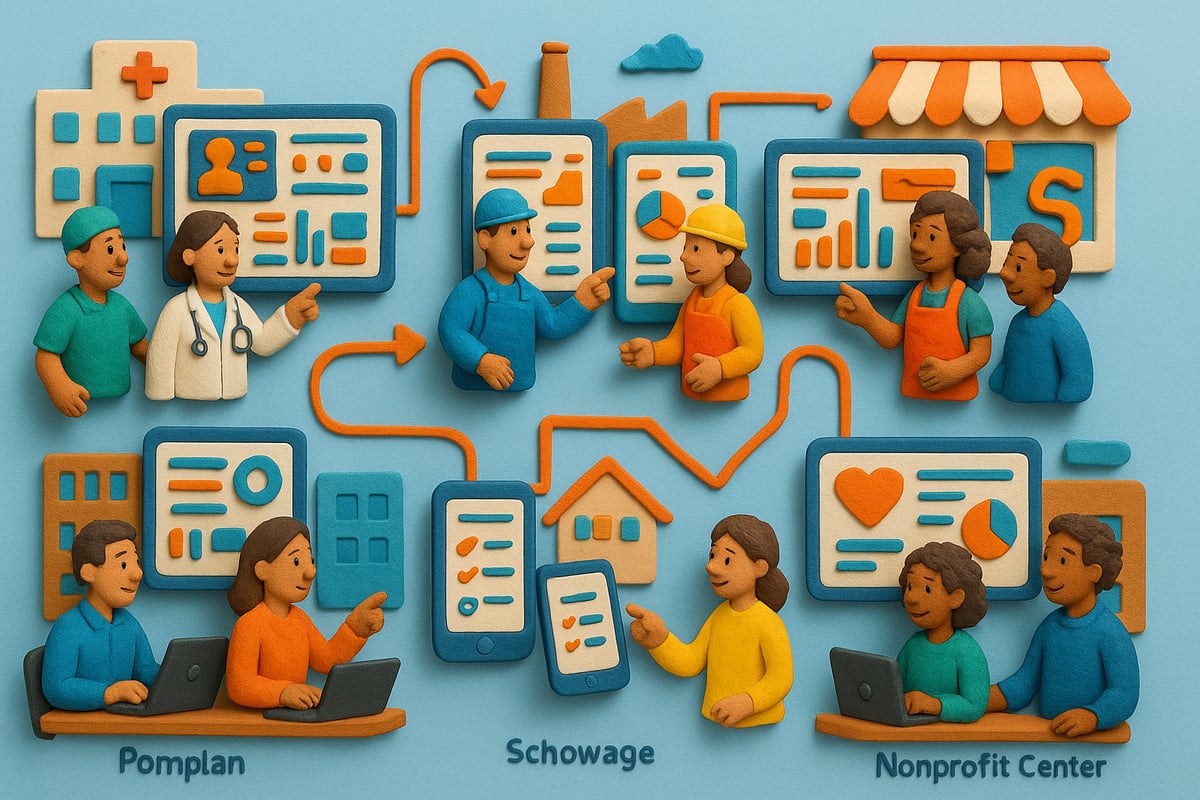
Every industry faces unique challenges, and claris software stands out by offering tailored solutions that address the real needs of modern organizations. Customization is more than a feature—it is a strategic advantage that empowers your business to innovate, streamline, and grow. Let us explore how claris software adapts to various sectors, driving efficiency and compliance with unmatched flexibility.
Healthcare Solutions
Healthcare organizations require secure, compliant, and efficient data management. With claris software, clinics and hospitals benefit from robust patient data protection, seamless integration with EHR systems, and strict compliance with healthcare regulations.
For example, automated appointment scheduling reduces administrative burdens and streamlines patient flow. Custom dashboards enable healthcare professionals to monitor patient outcomes in real time, while role-based access ensures only authorized staff see sensitive information.
The adaptability of claris software lets providers scale solutions quickly as their needs evolve. This flexibility keeps healthcare organizations ahead in a rapidly changing landscape.
Manufacturing and Industrial Automation
Manufacturers need real-time insights into production lines, inventory, and supply chains. Claris software delivers powerful tracking tools and integrates with IoT devices for proactive equipment monitoring.
Imagine automated maintenance alerts triggered by sensor data, preventing costly downtime. With claris software, managers can access live inventory reports and coordinate supply chain logistics from any device.
These capabilities make claris software an ideal choice for industrial automation, supporting lean manufacturing and continuous improvement initiatives.
Retail and E-commerce Applications
Retailers must keep pace with omnichannel sales, dynamic inventory, and personalized marketing. Claris software provides seamless integration with POS and e-commerce platforms, ensuring that sales data flows effortlessly across channels.
Personalized marketing automation becomes simple, using real-time customer data to trigger targeted promotions. Automated inventory management reduces stockouts and overages, improving customer satisfaction and profitability.
With claris software, retailers can adapt quickly to shifting market trends, staying competitive in a fast-moving industry.
Professional Services and Consulting
Professional service firms thrive on efficiency, project visibility, and client satisfaction. Claris software empowers teams to manage projects, track time, and automate billing—freeing up resources for high-value work.
Client communication portals built on claris software keep everyone in the loop, while automated workflows ensure deadlines are met consistently. For firms seeking advanced solutions, Custom ERP and CRM with Claris enables integration with APIs and AI, delivering tailored systems that evolve with your business.
By leveraging claris software, consultants and agencies gain a competitive edge through streamlined operations and superior client experiences.
Education and Nonprofit Sector
Schools and nonprofits need efficient management of student records, donations, and volunteers. Claris software offers intuitive tools for tracking student data, automating volunteer scheduling, and managing grant applications.
Donation and grant tracking become transparent, supporting compliance and reporting needs. Automated reminders for volunteers and donors help maintain engagement and streamline operations.
Claris software equips education and nonprofit leaders with the flexibility to adapt their systems as their missions grow, ensuring positive outcomes for their communities.
Custom Use Cases and Success Stories
No two organizations are the same, and claris software shines in supporting unique, industry-specific requirements. Small businesses have scaled rapidly with custom workflows, while larger enterprises report significant ROI through process automation.
User testimonials highlight the platform's adaptability and ease of integration. For example, one SMB used claris software to unify sales, inventory, and customer support, resulting in a 30% productivity boost within six months.
These success stories prove that claris software is not just a tool but a catalyst for innovation and growth—tailored to your sector, your way.
Future Trends and Innovations in Claris Software
The future of claris software is defined by rapid innovation, robust integrations, and a thriving user community. As we look ahead, organizations leveraging claris software will find themselves at the forefront of digital transformation, equipped with tools that anticipate business needs and deliver real competitive advantage.
AI-Driven Automation and Predictive Analytics
AI advancements are transforming the way claris software delivers value to businesses. In 2026, expect even deeper integration of machine learning, predictive analytics, and natural language processing. Teams can leverage AI for automating repetitive tasks, identifying trends, and making data-driven decisions faster than ever.
For example, the latest Claris FileMaker 2025 AI Integration enables users to ask natural language questions and receive actionable business insights instantly. Predictive analytics is now a core feature, giving companies a head start on forecasting sales, inventory, and maintenance needs. With claris software, AI is not just an add-on, it is a strategic driver for innovation.
Enhanced API Ecosystem and Marketplace Growth
In 2026, claris software continues to expand its API ecosystem, making integration with third-party platforms seamless. Businesses can now connect claris software effortlessly to popular SaaS tools, payment gateways, and industry-specific applications.
Recent updates in Claris Connect 2025 Updates highlight improved automation features and a growing library of connectors. Marketplace statistics show a surge in available extensions, with hundreds of new integrations added in the past year alone.
| Year | Marketplace Extensions | API Connectors |
|---|---|---|
| 2024 | 350 | 120 |
| 2026 | 600 | 200 |
The result is a flexible, future-proof platform that grows with your business.
Mobile-First and Cross-Platform Experiences
Mobile and cross-platform capabilities are now essential for any modern solution, and claris software leads the way. The 2026 releases focus on delivering a unified experience across smartphones, tablets, and desktops.
Field service teams can access real-time data, capture signatures, and update records on the go—all from a secure, intuitive interface. Cross-device synchronization ensures that every user, whether remote or onsite, stays in sync with the latest information. As mobile workforces expand, claris software adapts to meet the demands of a truly mobile-first world.
Security, Privacy, and Regulatory Trends
Security and compliance remain top priorities for claris software. In response to evolving regulations like GDPR and HIPAA, the platform now offers more granular access controls, advanced encryption, and automated audit trails.
Zero-trust security models are being adopted, minimizing risk and ensuring that only authorized users have access to sensitive information. With claris software, businesses can confidently navigate global privacy standards and protect their data against emerging threats.
The Role of Community and Open Source
The claris software community is more vibrant than ever, driving innovation through collaboration and open-source projects. Developers are sharing templates, plugins, and best practices that accelerate solution delivery and foster creativity.
Community-driven extensions have become a cornerstone of the ecosystem, enabling organizations to customize and extend claris software for unique requirements. By joining this active network, businesses gain access to a wealth of resources and support, ensuring long-term success with claris software.