Europe’s digital economy is moving faster than ever, and organizations demand business solutions that are not just robust, but also flexible and scalable. This shift is creating new opportunities for every filemaker europe developer ready to innovate.
However, 2026 brings unique challenges. Developers must navigate complex integrations, embrace emerging technologies, and stay ahead of compliance requirements. The need for creative, future-ready solutions has never been higher.
Mastering FileMaker isn’t just a technical advantage—it’s an opportunity to drive true digital transformation. Developers and organizations who lead in FileMaker innovation will shape the future of European business.
This guide is your essential roadmap. Explore 2026’s FileMaker trends, must-have skills, strategic integration, compliance essentials, and exclusive expert insights—all designed to help you succeed as a filemaker europe developer.
The Evolving FileMaker Landscape in Europe
The digital landscape across Europe is changing fast, and the role of the filemaker europe developer is evolving with it. Organizations are searching for flexible tools that can keep up with their unique business needs. Let's break down how FileMaker is shaping the future for developers and businesses across the continent.
Market Growth and Adoption
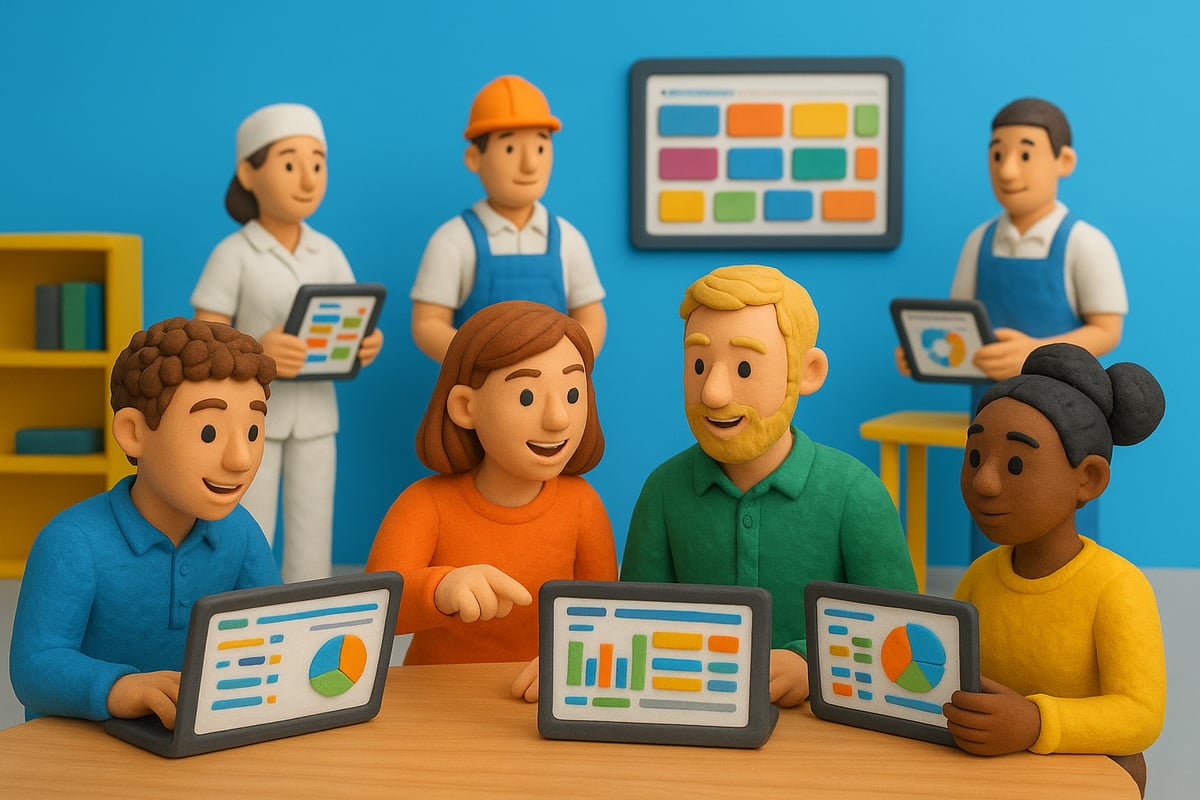
Recent IDC and Claris reports show that FileMaker's adoption in Europe is on the rise. Sectors such as healthcare, manufacturing, and professional services are leading this growth. These industries need agile solutions that can adapt to rapidly changing regulations and workflows.
The demand for custom ERP and CRM systems is particularly strong. Organizations want platforms that can be tailored to their exact needs. This makes the filemaker europe developer an essential figure in digital transformation projects.
- Healthcare: Hospitals and clinics are digitizing patient records and automating compliance tasks.
- Manufacturing: Firms are streamlining supply chain management and quality control.
- Services: Agencies and consultancies are building bespoke project tracking and client management tools.
European businesses now expect more than off-the-shelf software. They want solutions that keep them competitive and compliant.
Key Platform Updates and Innovations
The FileMaker platform has seen major enhancements, especially around AI, API integration, cloud capability, and mobile support. By 2026, automation and artificial intelligence are deeply woven into the FileMaker toolkit. Developers can now build smarter, more responsive apps that anticipate user needs and automate complex workflows.
For a detailed look at the latest features, including AI-powered updates, check out the Claris FileMaker Pro 2025 Enhancements resource.
Businesses across Europe are using these innovations to reduce manual work and gain insights from their data. For example, a logistics company in Germany leveraged FileMaker's new AI features to predict delivery delays and optimize routes, saving time and costs. The filemaker europe developer is at the center of these breakthroughs, driving value for their organizations.
Shifting Developer Roles and Opportunities
The role of the filemaker europe developer is expanding far beyond traditional app building. Today, developers are business process architects, data strategists, and integration specialists. They are expected to understand both technology and the specific needs of European organizations.
Salary trends reflect this evolution. According to Glassdoor and LinkedIn, demand for FileMaker professionals in Europe is at an all-time high, especially in markets like the UK, Germany, and the Nordics. Competitive salaries and a strong job outlook make this a rewarding career path.
Developers who master new skills, such as API integration and cloud deployment, are seeing the most opportunity. Organizations are seeking talent that can bridge technology and business strategy, making the filemaker europe developer more valuable than ever.
Competitive Landscape
FileMaker competes with a growing range of low-code and no-code platforms, including Microsoft Power Apps and OutSystems. Each platform offers unique strengths, but FileMaker stands out for its rapid customization, robust relational database engine, and ease of integration with European business systems.
| Platform | Strengths | Weaknesses |
|---|---|---|
| FileMaker | Customization, integration, speed | Niche skillset, licensing |
| Power Apps | Microsoft ecosystem, scalability | Complexity, cost |
| OutSystems | Enterprise support, extensibility | Steeper learning curve |
European businesses often choose FileMaker for its adaptability and strong support for compliance. The filemaker europe developer is uniquely positioned to deliver solutions that meet both local and cross-border requirements.
Challenges Facing European Developers
Despite its advantages, the filemaker europe developer faces unique challenges in Europe. Localization and language diversity require apps to support multiple languages and formats. Regulatory compliance, especially with GDPR and other local laws, adds layers of complexity to every project.
Managing cross-border teams and remote collaboration has become more common since 2024. Developers must be skilled in virtual project management and communication tools. Security and data sovereignty are ongoing concerns, especially for industries handling sensitive information.
Success in this environment means staying informed, being adaptable, and always prioritizing user trust.
Case Study: European Business Success Story
A mid-sized French healthcare provider recently transformed its operations using FileMaker. The organization deployed a custom ERP and CRM system, designed by a skilled filemaker europe developer, to manage patient records, billing, and regulatory compliance.
The results were dramatic. Staff productivity rose by 30 percent, compliance audits became easier, and patient satisfaction improved. This success story shows how a filemaker europe developer can empower European businesses to achieve digital transformation on their own terms.
Core Skills and Certifications for FileMaker Developers in 2026
Mastering the right skills is essential for any filemaker europe developer aiming to thrive in 2026. The landscape is evolving fast, and those who stay ahead will unlock the most rewarding opportunities. Let’s break down the core competencies and steps you need to future-proof your career.
Essential Technical Skills
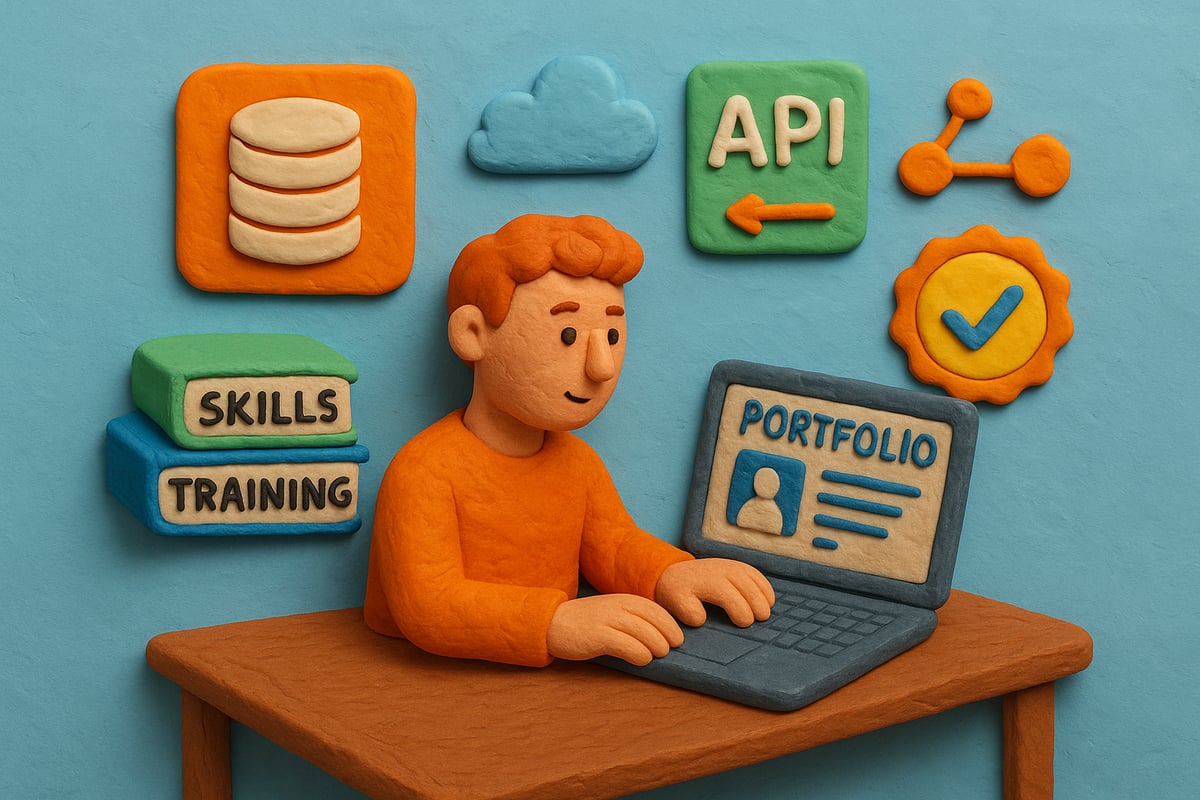
A successful filemaker europe developer in 2026 needs a strong foundation in scripting, relational databases, and seamless API integration. Proficiency in UI/UX design is crucial for creating intuitive, modern apps that users love.
It’s also vital to master Claris Studio, FileMaker Pro, and cloud deployment techniques. These tools boost flexibility and ensure your solutions scale with business needs. Check out this quick skills checklist:
- Scripting and automation logic
- Relational database modeling
- RESTful API integration
- Responsive UI/UX design
- Cloud and mobile deployment
Continuous technical growth keeps the filemaker europe developer competitive and ready for any project.
Advanced Integration and Automation
Integration is king for the modern filemaker europe developer. Connecting FileMaker with AI, IoT devices, and external APIs opens up a world of automation and efficiency.
Picture automated workflows that sync data in real time or AI-driven dashboards that predict business trends. These are no longer futuristic concepts but essential skills for 2026. Examples include:
- Linking FileMaker to smart sensors for instant data capture
- Creating custom API bridges to ERP and CRM platforms
- Building scripts for automated reporting and alerts
The filemaker europe developer who masters these integrations becomes a catalyst for business innovation.
Soft Skills and Project Management
Technical prowess alone is not enough for the filemaker europe developer. Communication, agile methodologies, and teamwork are just as crucial in multinational European projects.
Cultural awareness ensures smooth collaboration across borders. Project success often hinges on your ability to listen, adapt, and unite teams with diverse backgrounds. Key soft skills include:
- Clear communication with stakeholders
- Agile project management techniques
- Collaborative problem-solving
- Sensitivity to cultural nuances
A top filemaker europe developer blends tech skills with people skills for maximum impact.
Certification Paths and Training Resources
Certifications validate your expertise and boost your credibility as a filemaker europe developer. Claris FileMaker certifications signal commitment to quality and are highly valued by employers.
Explore official certification paths, online courses, and bootcamps tailored for European professionals. For targeted guidance, consider FileMaker Consulting in Europe, which offers insight into training and career advancement strategies.
Employers often prefer certified developers, and recent data shows higher pass rates among those who invest in structured learning. Stay updated with the latest training resources to maintain your edge as a filemaker europe developer.
Building a Portfolio and Community Presence
A standout portfolio is a must for the ambitious filemaker europe developer. Showcase your best projects on GitHub, personal websites, or through the Claris Community to attract clients and employers.
Networking at European tech events and meetups expands your professional reach. Strategies include:
- Sharing code samples and case studies online
- Engaging in Claris Community discussions
- Attending regional conferences and workshops
Active community involvement not only demonstrates your skills but also keeps the filemaker europe developer at the forefront of industry trends.
Building Future-Proof FileMaker Solutions: Step-by-Step Roadmap
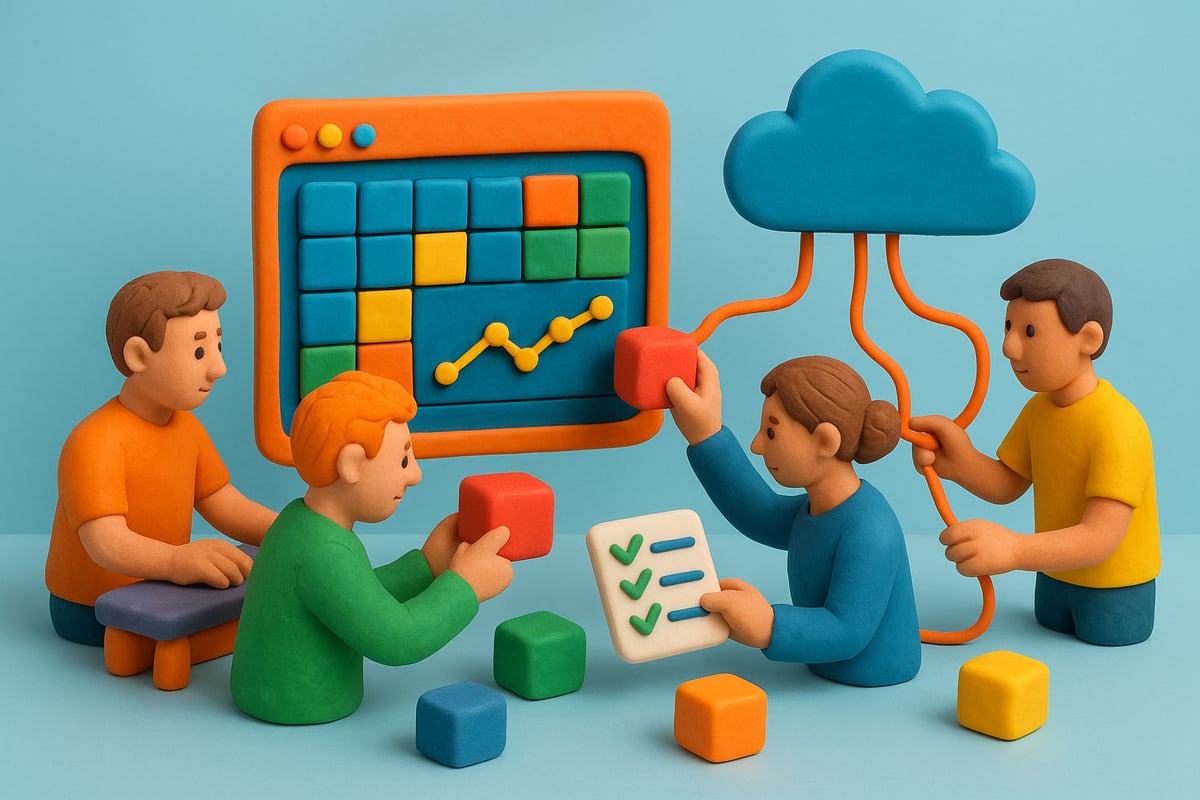
Building a future-proof FileMaker solution is crucial for every filemaker europe developer aiming to deliver lasting value. This roadmap walks you through a proven, actionable process, ensuring your projects are resilient, scalable, and ready for Europe’s fast-evolving digital landscape.
Step 1: Assess Business Needs and Project Scope
Every successful filemaker europe developer starts with a deep understanding of the client’s goals. Begin with stakeholder interviews to identify pain points, desired outcomes, and regulatory requirements. Map out existing workflows and pinpoint inefficiencies.
Create a clear requirements document. Prioritize features that align with business objectives and European compliance standards. Remember, a well-scoped project sets the foundation for scalable success.
Step 2: Design Scalable Data Models and Architecture
A robust architecture is essential for any filemaker europe developer in 2026. Normalize your databases to maintain data integrity and avoid redundancy. Use relational design to enable flexibility and future expansion.
Incorporate modular design patterns to simplify updates and maintenance. For guidance on optimizing architecture for scalability and modernization, refer to the Updating FileMaker Applications: Modernization Guide.
Step 3: Develop User-Centric Interfaces and Experiences
A filemaker europe developer must prioritize intuitive user experiences. Apply modern UI/UX principles—think clean layouts, clear navigation, and accessible design.
Gather feedback from real users early in development. Use wireframes and prototypes to test usability. Incorporate accessibility features like keyboard navigation and color contrast, ensuring everyone can use your app with ease.
Step 4: Integrate APIs and External Services
Integration is a key differentiator for the filemaker europe developer. Connect your FileMaker solution to ERP, CRM, and third-party systems using RESTful APIs or ODBC.
Map data fields carefully to avoid errors. Ensure robust authentication and encryption for secure data exchange. Document all integrations so future developers can maintain and expand the system with confidence.
Step 5: Implement Automation and AI Features
Smart automation sets leading filemaker europe developer projects apart. Use scripts and workflows to automate repetitive tasks and reduce manual effort.
Incorporate AI-driven features for predictive analytics, intelligent data entry, or workflow recommendations. Test automation thoroughly to ensure reliability and compliance with European data standards.
Step 6: Test, Optimize, and Document Solutions
Rigorous testing is non-negotiable for any filemaker europe developer. Use both manual and automated testing methods to catch bugs and performance issues.
Optimize databases for speed and scalability. Thoroughly document your code, integrations, and deployment processes. This step ensures your solution remains maintainable and adaptable as business needs evolve.
Step 7: Deploy, Train, and Support Users
A filemaker europe developer should plan deployments strategically—choose between cloud and on-premise based on the client’s needs. Prepare comprehensive training materials and workshops for end users.
Set up support channels and feedback loops. Effective change management ensures smooth adoption and long-term project success.
Real-World Example
A mid-sized European manufacturer needed to modernize its operations. The project began with a thorough assessment of production and inventory workflows. The filemaker europe developer team designed a modular, scalable data model and crafted user-friendly dashboards.
After integrating with the company's ERP and adding AI-driven inventory forecasting, the team rigorously tested and documented the solution. Cloud deployment enabled remote access, and tailored training ensured rapid adoption. The result was a resilient, future-ready platform that drove operational efficiency and business growth.
Compliance, Security, and Data Privacy in Europe
Navigating compliance, security, and data privacy is critical for every filemaker europe developer in 2026. Organizations face rising expectations from customers and regulators to safeguard information, while digital transformation accelerates. Mastering these areas is not just about avoiding penalties, it is about building trust and unlocking new business opportunities across Europe.

Navigating European Regulations (GDPR, eIDAS, etc.)
For every filemaker europe developer, understanding GDPR, eIDAS, and national laws is non-negotiable. GDPR enforces strict rules around personal data handling, requiring transparency, purpose limitation, and robust security measures. eIDAS governs electronic identification and signatures, streamlining digital transactions but demanding technical compliance.
Cross-border projects add complexity, as data sovereignty rules can restrict where data is stored and processed. Developers must design solutions that respect local privacy laws and ensure lawful data transfer between EU states. Staying current with regulatory updates is essential to maintain compliance and avoid costly setbacks.
Best Practices for Secure FileMaker Development
Security is a top priority for any filemaker europe developer building business-critical systems. Start by using strong encryption for data at rest and in transit. Implement granular access controls, assigning roles based on least privilege principles.
Multi-factor authentication should be standard for all users. Regularly audit user access and monitor for unusual activity. Avoid common pitfalls like hardcoded credentials or unsecured API endpoints. By embedding security from the outset, developers protect organizations and their reputations.
Data Privacy and User Consent Management
Data privacy goes beyond technical controls, requiring user-centric features. Every filemaker europe developer should build clear consent mechanisms into applications. Use customizable privacy dashboards so users can manage their preferences and exercise rights like data access or erasure.
Recent enforcement actions highlight the risk of inadequate consent practices. Transparent privacy policies, visible opt-in forms, and easy withdrawal options are now expected. These features not only comply with the law but also foster user trust and engagement.
Compliance Tools and Resources
Staying compliant as a filemaker europe developer requires leveraging the right tools and resources. Consider using:
| Tool/Resource | Purpose |
|---|---|
| FileMaker Security Guides | Best practice frameworks |
| GDPR Compliance Add-ons | Automated data privacy checks |
| Audit Logging Modules | Track user actions and changes |
| Legal Updates Feeds | Stay informed on EU regulations |
Consult legal experts for complex cases, and participate in professional forums to exchange compliance tips. Regular training ensures your knowledge stays up to date.
Industry-Specific Compliance Considerations
Every sector faces unique compliance demands. Healthcare, for example, must meet both GDPR and strict health data regulations. Finance and public sector projects require enhanced audit trails and data retention policies.
For inspiration, explore how European healthcare organizations achieved compliance using FileMaker ERP solutions in this FileMaker ERP Solutions for Healthcare case study. By tailoring approaches to each industry, a filemaker europe developer can deliver solutions that meet both regulatory and operational needs.
Integrating FileMaker with European Business Ecosystems
Integrating FileMaker with the diverse business ecosystems of Europe is a game-changer for organizations seeking innovation and operational efficiency. A skilled filemaker europe developer is uniquely positioned to connect FileMaker with leading platforms, streamline workflows, and support multinational teams in a rapidly digitalizing market.
Connecting with Popular European Platforms
For any filemaker europe developer, seamless integration with enterprise systems like SAP, Salesforce, and Microsoft Dynamics is essential. Many European businesses rely on these platforms for core operations, making FileMaker’s ability to bridge data and automate tasks a strategic advantage.
Successful projects often involve connecting FileMaker with local ERP or CRM systems. This enables real-time data sharing, consolidated reporting, and improved decision-making. For instance, manufacturers have used FileMaker to centralize inventory data from SAP, while service firms sync client information from Salesforce.
If you want to dive deeper into integration trends and best practices for the European market, check out FileMaker Consulting Strategies 2026, which explores how API integration and AI are shaping the future for developers.
Leveraging API and Web Services
A modern filemaker europe developer must master RESTful API, XML, and ODBC integrations to connect FileMaker with external applications. Using APIs allows developers to automate data exchange, trigger workflows, and synchronize information across platforms.
Best practices for API integration include:
- Mapping data fields carefully to avoid mismatches.
- Securing endpoints with authentication protocols.
- Scheduling regular syncs for real-time updates.
For example, a logistics company might use REST APIs to push shipment data from FileMaker to a partner’s tracking system, ensuring customers get instant updates. Mastery of these tools helps developers deliver reliable and scalable solutions for European businesses.
Multilingual and Localization Strategies
Europe’s linguistic diversity means a filemaker europe developer must prioritize multilingual support and localization. Building apps that adapt to user language, currency, and date/time formats is crucial for adoption across different countries.
Tips for effective localization:
- Use value lists and global fields for dynamic language switching.
- Implement currency fields with automatic conversions.
- Format dates and times according to local conventions.
By embedding these features, developers ensure that FileMaker apps meet both user expectations and regulatory requirements. This flexibility is a key differentiator in the European market, where cross-border operations are the norm.
Supporting Remote Teams and Collaboration
Remote and hybrid work are now standard for many European organizations. A filemaker europe developer can leverage cloud deployment, mobile access, and built-in collaboration tools to empower distributed teams.
Cloud-based FileMaker solutions offer secure access from anywhere, supporting both office and field staff. Mobile features enable real-time data entry and approvals, keeping workflows moving.
According to recent reports, remote work adoption in Europe has surged since 2024. The FileMaker Cloud Expansion in EMEA highlights how scalable cloud infrastructure is driving digital transformation and collaboration across borders.
By integrating FileMaker into the European business ecosystem, developers unlock new possibilities for growth, agility, and user engagement.
Expert Insights and Future Trends for FileMaker Developers
The future is bright for every filemaker europe developer ready to lead in the digital era. As we look toward 2026, the FileMaker platform is evolving rapidly, offering unprecedented opportunities for innovation, growth, and career advancement.
Predictions for FileMaker and Low-Code in Europe by 2026
Experts agree that the European low-code market will continue its upward trajectory. Gartner and Forrester forecast double-digit growth, fueled by digital transformation across sectors. The filemaker europe developer community is at the forefront, leveraging enhanced AI, mobile, and cloud capabilities. According to the Claris FileMaker 2024 Features, recent platform updates signal a commitment to innovation, ensuring FileMaker remains a top choice for custom app development in Europe.
Emerging Technologies Shaping FileMaker Development
AI and machine learning are reshaping what a filemaker europe developer can achieve. Integration with IoT, advanced analytics, and automation tools is becoming standard. Developers now use FileMaker not just for data management but also for intelligent process automation. New tools and platform enhancements, such as low-code AI builders, empower developers to deliver smarter, more adaptive solutions tailored to European business needs.
Career Opportunities and Community Growth
Demand for skilled filemaker europe developer professionals is surging. Companies across Europe are seeking experts who can bridge technology and business. Community engagement is also on the rise, with more events, user groups, and online forums. Salary trends reflect this demand, as seen in FileMaker Developer Salaries UK 2026, where compensation has increased steadily alongside job openings. Now is the ideal time to build expertise and visibility in the FileMaker ecosystem.
Strategies for Staying Ahead
To stay ahead as a filemaker europe developer, continuous learning is crucial. Pursue certifications, attend European tech events, and join professional forums to keep skills sharp. Top conferences like FileMaker DevCon, Claris Engage, and regional meetups offer networking and knowledge sharing. Building a strong online presence and collaborating on open-source projects can open new doors in the evolving marketplace.
Final Thoughts from Leading European Developers
Respected experts emphasize adaptability and community involvement as keys to success for any filemaker europe developer. As one Claris partner notes, “Embracing new technologies while understanding European business culture sets you apart.” The roadmap is clear: focus on innovation, compliance, and collaboration to drive digital transformation in Europe’s dynamic economy.
If you’re ready to move from theory to real-world impact, now’s the perfect time to stop trying to fit your business into someone else’s box. We’ve explored how mastering FileMaker and smart integrations can future-proof your organization, but the real transformation happens when your software fits your unique workflows—not the other way around. I’ve seen too many teams settle for rigid, generic solutions that just don’t scale. Why not build a system that adapts to you? Let’s talk about how you can design a custom, automated platform that truly supports your business goals. Build a System That Actually Works Talk to Lolli Group Stop adapting your business to rigid software. Design a custom, automated solution built around your real workflows.